
India finished the Glasgow 2026 Commonwealth Games with 39 medals — thirteen gold, seventeen silver, nine bronze — its boxers alone taking a best-ever ten, its para-athletes their finest haul in history. But a medal table tells you how many. It does not tell you from where. And in India, where is the more revealing question.
The lifters came, as they so often do, from the Northeast. Mirabai Chanu, from Manipur, won India's first gold of these Games and completed a hat-trick of Commonwealth titles; Rishikanta Singh, also from Manipur, added to the weightlifting tally. It is no accident: Manipur and its neighbours have quietly become one of the most productive sporting ecosystems in the country, from the boxing ring to the lifting platform, on a fraction of the resources of richer states.
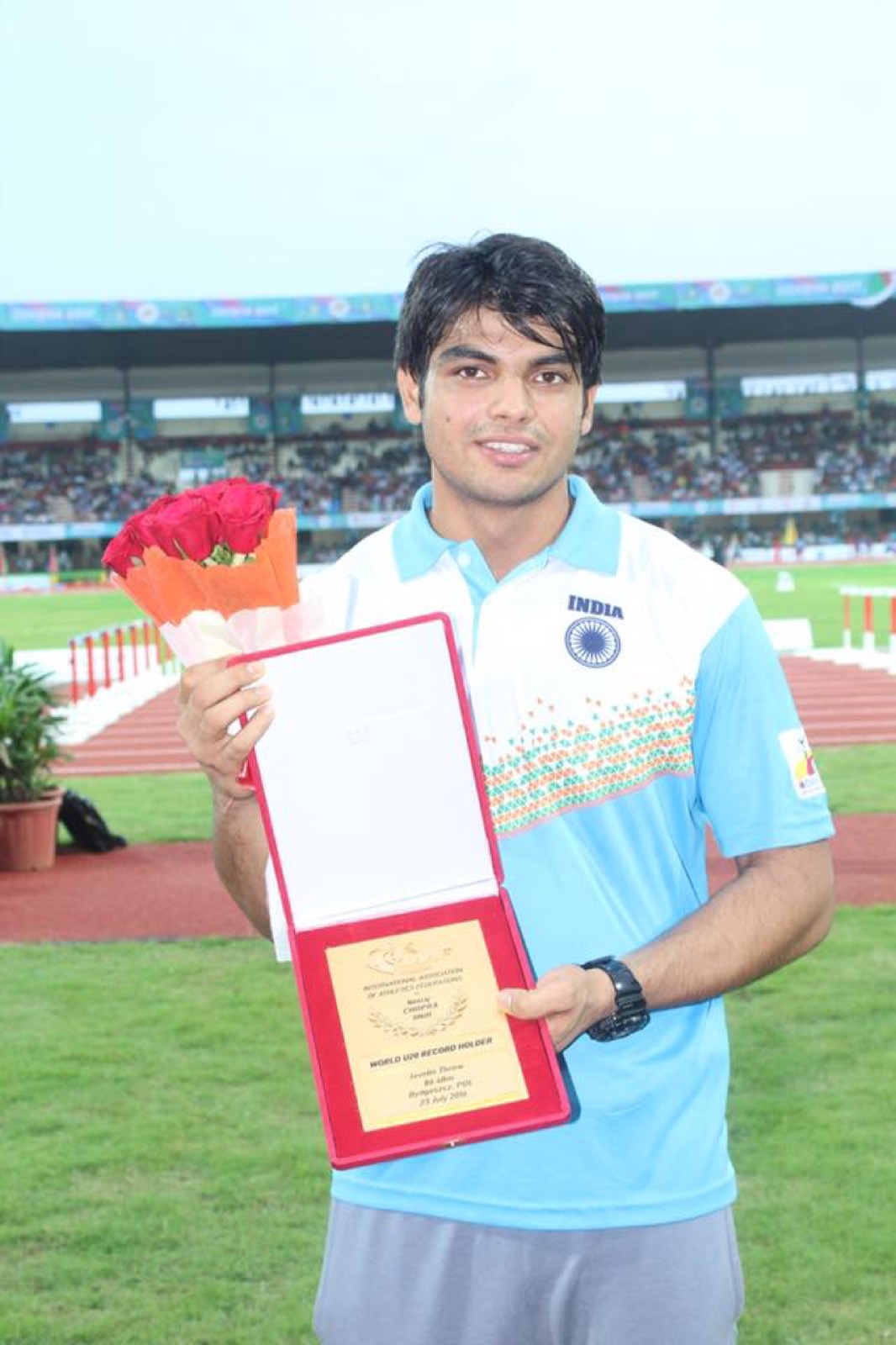
The throwers and the fighters came, as they so often do, from the northern belt. Neeraj Chopra, from Haryana, took javelin silver; India's boxers delivered an unprecedented seven golds, drawn largely from the Haryana–Punjab–Services heartland that has supplied the ring for a generation. These are not new stories. They are old pipelines — deep, and narrow.
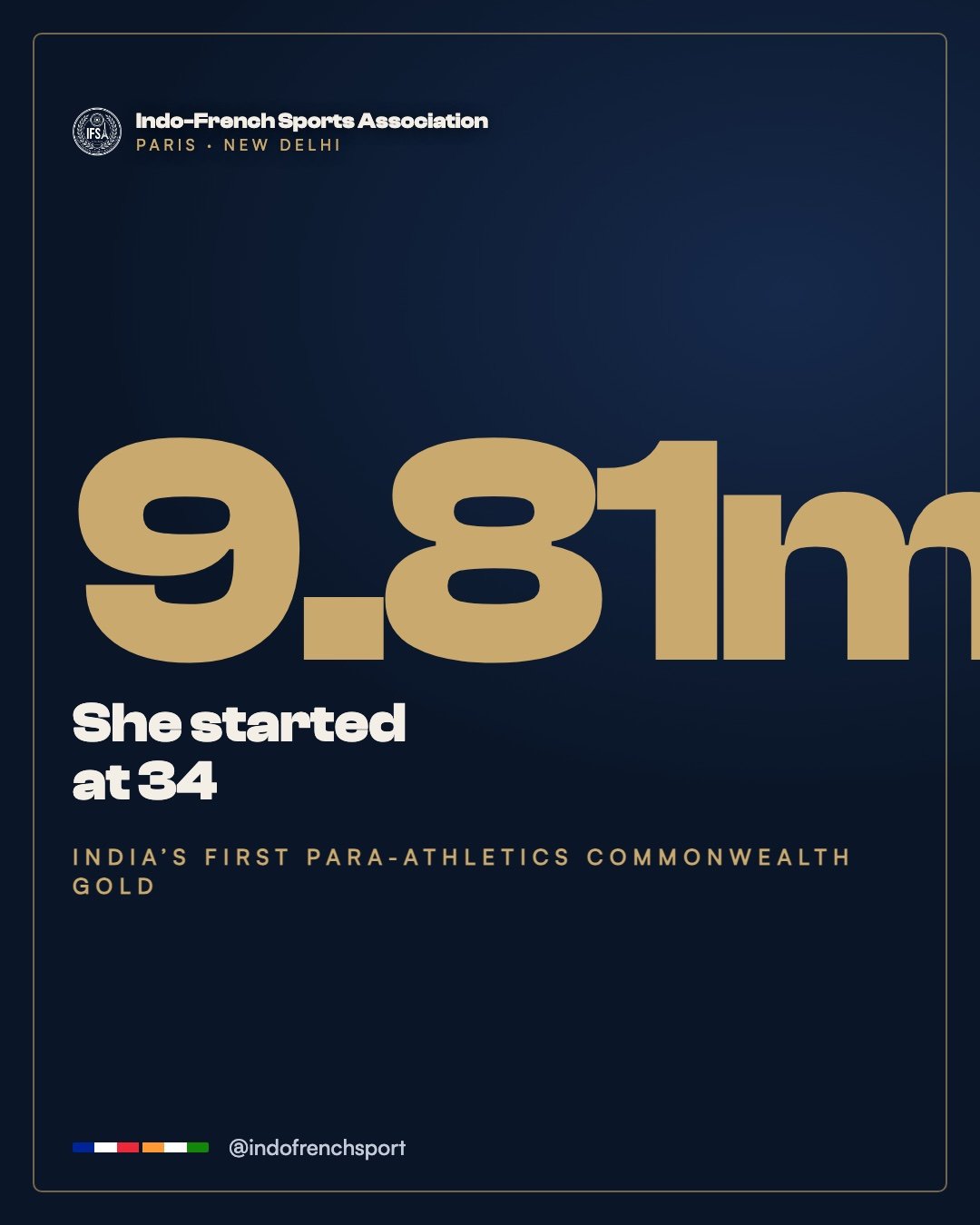
And then the newer names, the ones that widen the map. Sharmila Dhankar's historic para gold came from Mahendragarh in Haryana; Dilip Gavit's from rural Maharashtra; Jhandu Kumar's bronze — India's very first medal of these Games — from a village in Bihar's Nalanda district. What these three share is not a system that found them, but the absence of one they overcame.
Read together, the map carries both a warning and an opportunity. India's medals still come from too few places, and too often in spite of the pipeline rather than because of it. A country about to host the Games has four years to change that — not by building more stadiums, but by building more producers of athletes.
This is where the France–India bridge earns its keep. France's answer to exactly this problem is decades old and transferable: a national academy method that finds talent young, judges it purely on ability, covers every cost so that money does not decide, and builds education in alongside the sport. It is the model behind Clairefontaine and the sport-études system — precisely the structure India's thin pipelines lack.
There is a particular test buried in all of this for the host. In 2030 the Games come to Gujarat, a state not historically among India's medal factories. The mark of a serious host is not the venues it builds for its guests, but the athletes it builds for itself. If Amdavad 2030 leaves behind a Gujarat that produces champions — not merely one that hosted them — the Games will have done their real work.
The states behind the medals are, in the end, a to-do list. India knows where its champions come from. The host decade is its chance to widen the map — and the partner that widened its own is standing right beside it.
Image: Neeraj Chopra at the 2017 Asian Athletics Championships — Athletics Federation of India, CC BY-SA 4.0, via Wikimedia Commons.