

The instinct, when a prestigious European fixture becomes available, is to treat the booking itself as the achievement — get the stadium, sell the tickets, worry about "legacy" in the post-match press release. At IFSA, we've built our football work the opposite way around: nothing gets proposed until the legacy plan exists first, on paper, before a single ticket is sold.
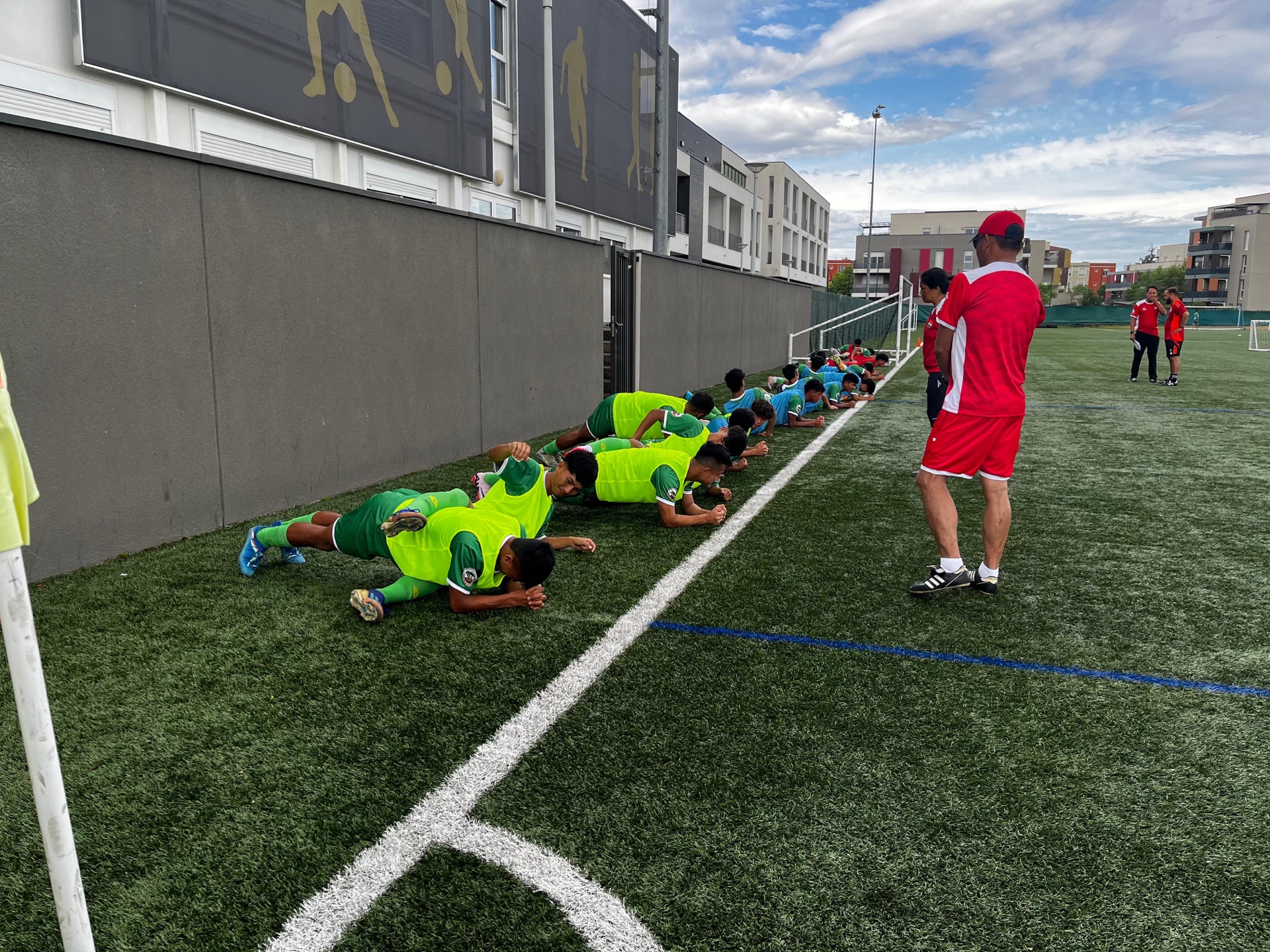
That discipline comes from what's already worked. A training camp we delivered in Meghalaya did more for the players who went through it than any single afternoon of star power could — not because it was glamorous, but because the coaches and athletes who took part were still using what they learned the following month. That is the bar. When we started exploring how India might one day host one of Europe's most prestigious annual club fixtures — a domestic Super Cup pairing a country's champion club against its cup winner — we built the proposal to clear that same bar, not a lower one built for headlines.
Four things have to be true before any such stadium gets booked. A European professional club establishing an actual coaching footprint in India — identifying and developing local talent on the ground — has to be a precondition of the partnership, not a follow-up announcement. A structured route for Indian academy players to trial with professional European clubs — scouted, evaluated, signed — has to exist, so the fixture produces careers somewhere down the line, not just a weekend of content. The fixture itself has to be designed to return, not just visit: an annual, alternating competition, because a stadium that fills once a decade builds nothing, and one that fills every year builds a habit. And whichever Indian state eventually puts up the stadium has to walk away with an actual footballing asset — coaching infrastructure, an academy presence, a talent pipeline — not a folder of hospitality invoices and photographs.
We're not going to pretend this is finished. Partnerships like this move at the pace of two federations, two governments, and a football calendar none of us fully control — this one is still very much a work in progress on the other side of the table. But the standard doesn't move while we wait: no marquee fixture goes forward without an answer to what the host state keeps once the lights go off.