

When a national team travels abroad, the football is the visible part. The invisible part is everything around it — visas, transport, protocol, the reception where a delegation meets its country's embassy. When those links hold, no one notices. When one slips, a team preparing for a world final can find itself worrying about a car instead of a match.
As Special Olympics Bharat prepared for the Unified Football World Cup in Paris, IFSA — a bilateral sports body working between India and France — was not formally informed that an Indian team was on its way. IFSA learned of the visit independently, reached out to Special Olympics officials and then to the Indian delegation directly, and offered to help.
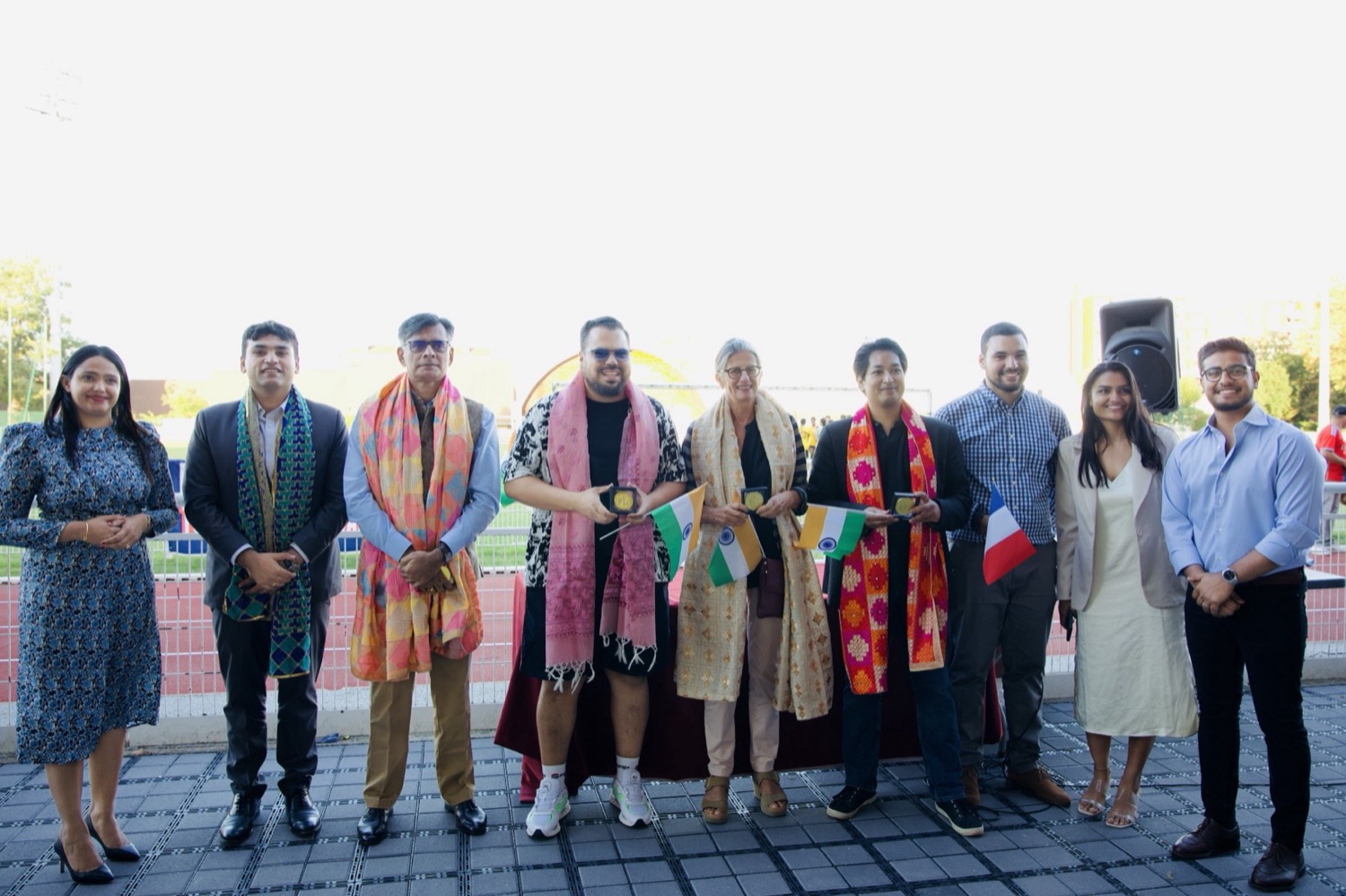
A reception with the Embassy of India was on the calendar, but the practical arrangements for moving the team from their residence to the embassy in time were not yet fully settled. IFSA stepped in as a bridge between the delegation and the embassy, helping coordinate the logistics so the team could arrive on time and the reception could go ahead as planned. It did.
The point of telling this is not the credit; it is the lesson. India's athletes increasingly compete on the world's biggest stages, and each trip depends on institutions — federations, embassies, government offices — communicating early and clearly with the organisations positioned to help on the ground. When a team lands in a country for the first time, the aim should be simple: let the athletes focus on winning medals, not on solving logistics.
That is the constructive ask beneath this small story. Not blame — every system has gaps, and every country is different — but a case for proactive coordination. Bodies like IFSA exist precisely to smooth the path between an Indian team and a foreign host. Used early, they make the difference between a stressed arrival and a seamless one. The medals are won on the pitch; the conditions for winning them are set long before kickoff.